
Back to School
A new school year can often be difficult for many kids and teens. Even those who enjoy and like school can find that back to school can come with additional stress and anxiety, and after having several weeks of less structure and demands during the summer, this change can be challenging for families to navigate.

General tips for a smooth transition back to school:
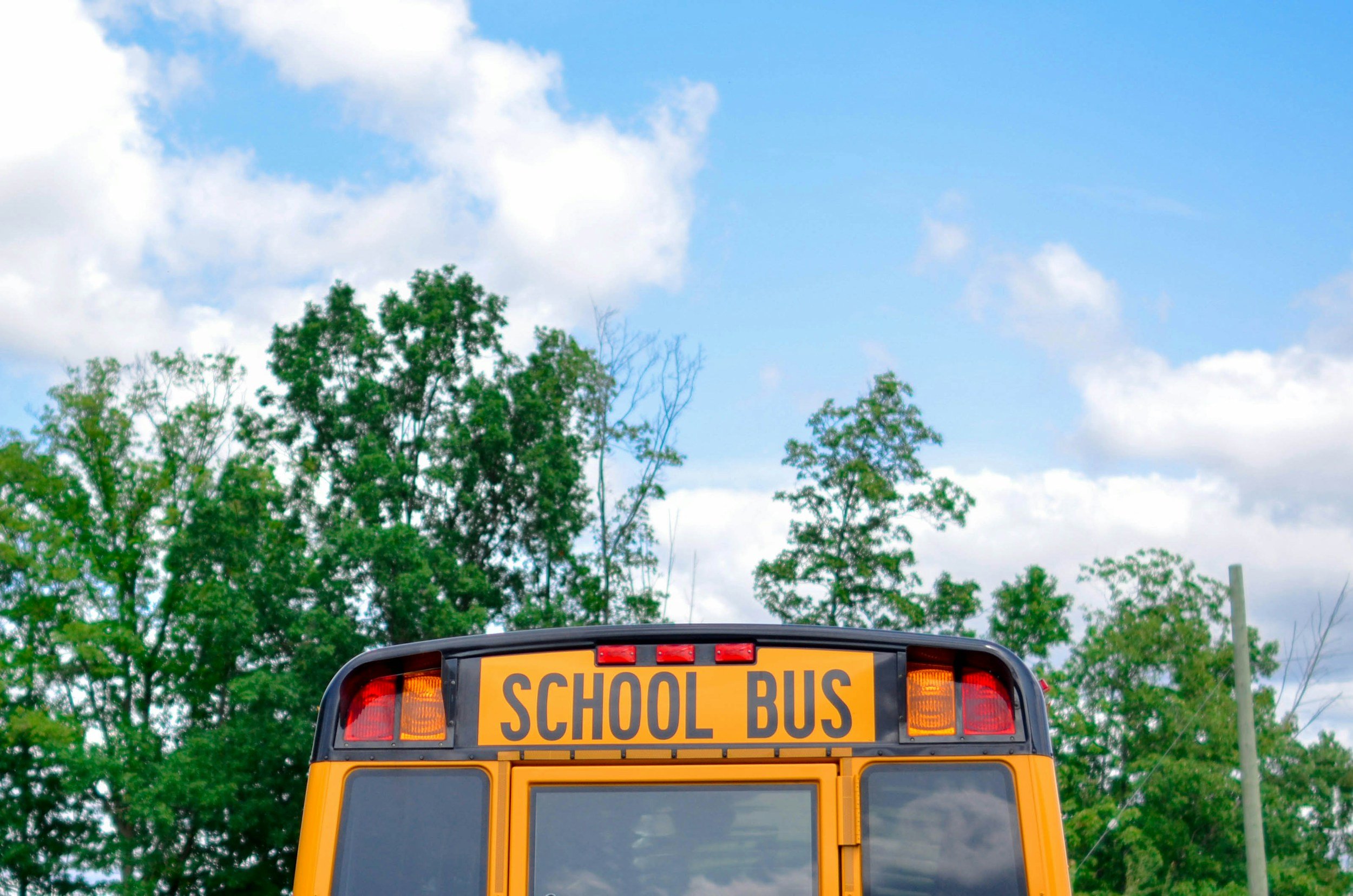
-Prepare your kids for what to expect, especially if there will be big changes associated with this year (e.g., a new school, taking the bus for the first time, starting after school care, using a locker for the first time, etc.). Have them practice some of these new routines and skills ahead of time. For example, helping your child become familiar with their new bus stop, or having them practice using the lock for their locker.
-If your child is starting at a new school, it can be helpful to spend some time in and around the new school prior to classes starting. This allows a child to become familiar with the area and plan their routes to and from class(es). Please note that these types of visits prior to the official start of the school year often need to be arranged with staff.
-Have open dialogue about their concerns and the emotions associated with these situations. Sometimes we can anticipate which situations might be stressful for our kids, but sometimes they surprise us and are worried about things that were not on our radar. Create opportunities for conversations and check-ins, such as regular walks or car rides.
Tip: It can be hard to talk about these sorts of things, and sometimes kids and teens open up best when things are casual and conversations are “parallel” (meaning that the conversation happens while sitting or standing side-by-side instead of face-to-face).
Kids with school-related anxiety and school avoidance:
-Ensuring that steps have been taken, such as those mentioned above, to increase familiarity and comfort before starting the year is always a good idea with kids who have a history of school anxiety and avoidance. If the child has an IPP due to previous difficulty, it can be helpful to have some additional support before the school year begins to ease the transition.
-Helping them know that there are plans in place to support them and their coping. Reminding them about the procedures for asking for help if they need it. This can include specific people and staff or places, such as quiet corners or calming zones. Remind them also of the other coping skills that they have developed with you and their psychologist, and create a reminder system for them to fall back on if needed (e.g., visuals for in their binder or on their desk).

Overall, it’s important to remind your child that avoidance fuels anxiety, and so although facing their fears can be difficult, it is worth it. Facing our fears is the only way to take control back from anxiety and to enjoy and live our lives to the fullest.
If you or your child have concerns about the new school year, or if transitions have been difficult for them in the past, please reach out to your psychologist to discuss further.